
10 guides for “typical”
See all guides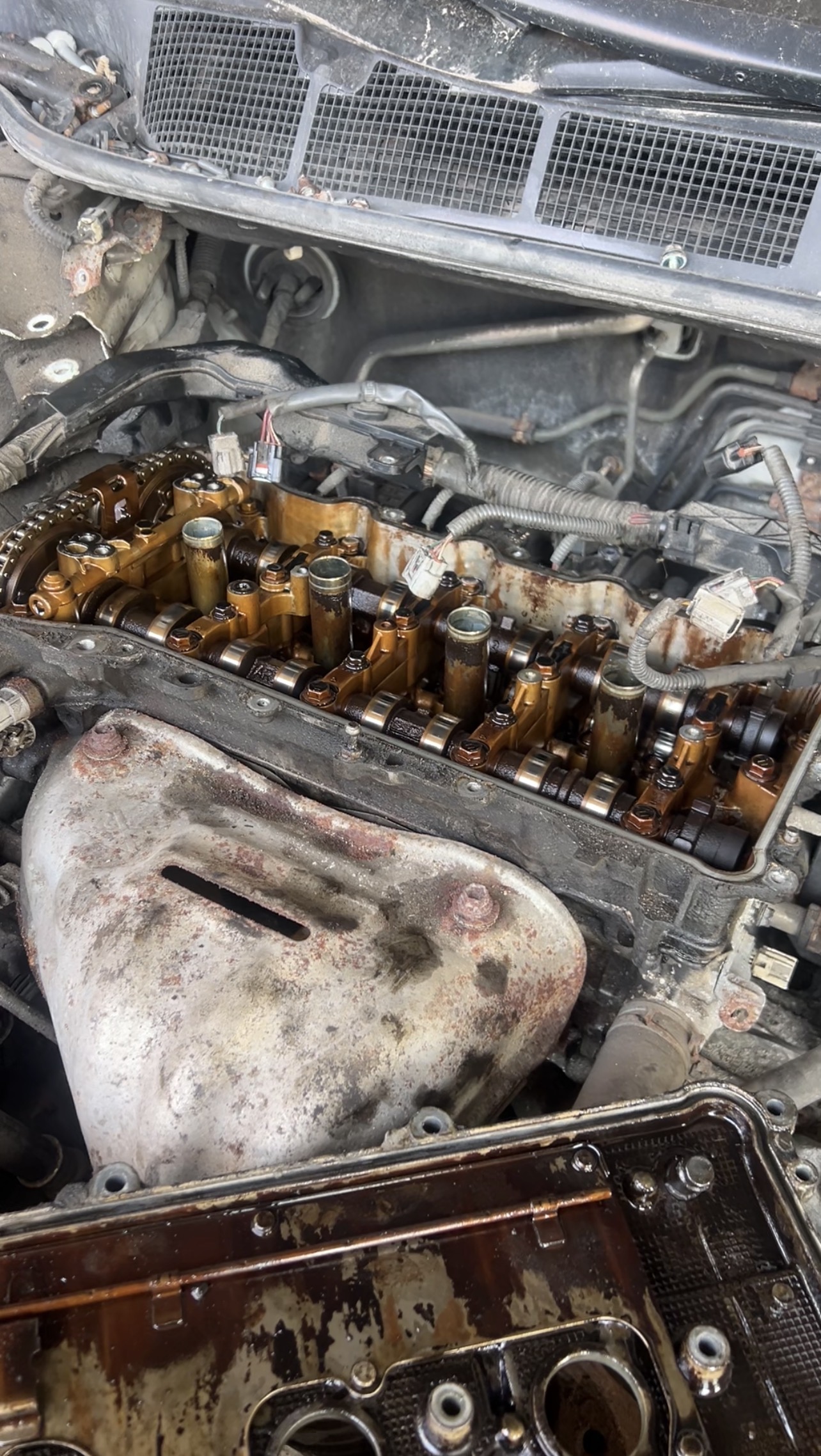
A Typical Result of late Or no maintenance on your car
Ignoring periodic maintenance on your vehicle is dangerous,it can lead from a minor issue to a catastrophic costing you to spend a lot of money on repairs.What makes you feel bad also makes your local mechanic very happy.
Car Overheating: Causes and Solution in Traffic
Your gauge is climbing in a go-slow and you need to know what to do in the next five minutes. Here is the safe order of action, the usual causes, and how to stop it repeating.
CNG conversion Nigeria: what to know before you spend
A CNG conversion can cut your fuel spend, but only when the car, your routes and the installer are right. Here is how to decide calmly — and what to check before you pay.

Selling a Car Safely in Nigeria: Meetings, Drives, Payment
A calm, step-by-step plan for selling your car to a stranger: where to meet, who drives, how to confirm the money has truly settled, and the order to hand over papers.
Used Car Inspection Checklist Nigeria: 30 Minutes
Half an hour in good light tells you more than an hour of talk. Here is the order to check a used car in Nigeria — and the signs that mean you should walk away.

Landed Cost of a Car in Nigeria: The Full Picture
Landed cost is the full stack of bills between paying for a car abroad and driving it legally here. Here is every layer, and how to check a quote before you pay.
Signs of a bad car battery: don't get stranded
A dying battery rarely gives up without warning. Here are the signs to watch for, the checks you can do yourself, and how to get help safely if it fails.

Importing a Car to Nigeria: Quote to Driveway
A calm, step-by-step walkthrough of importing a car into Nigeria — from fixing your budget and inspecting abroad to duty, clearing, and the first drive home.
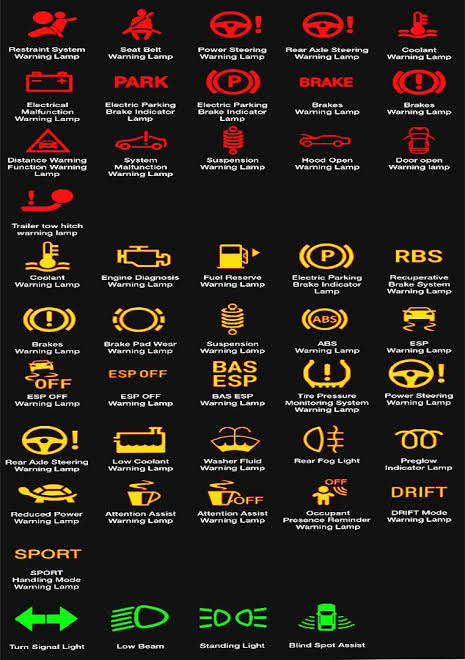
Dashboard warning lights meaning: which ones mean stop now
Colour tells you most of it: red usually means stop safely now, amber means get it checked soon, and green or blue is information only — not proof the car is fault-free. Here is what each common light means and what to do next.