
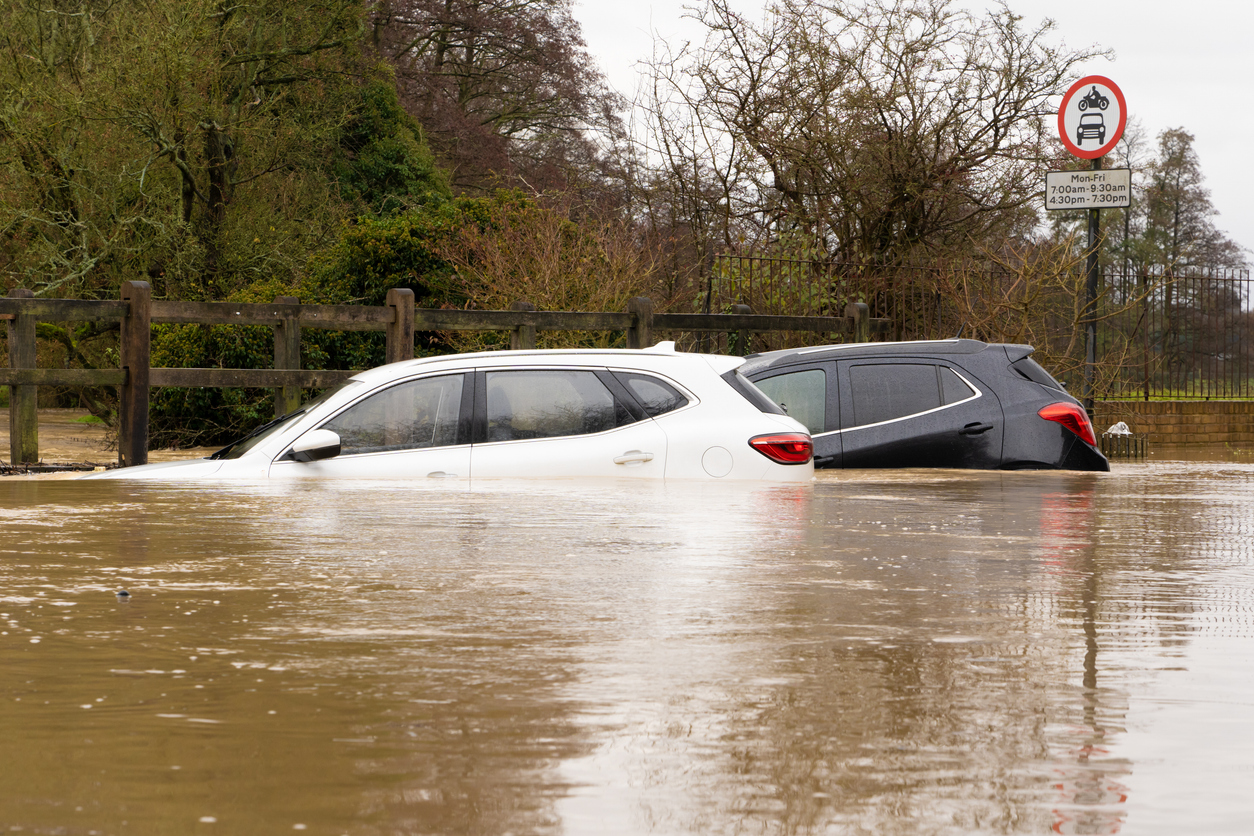
A flood-damaged car can look spotless in photos and still cause you years of trouble. The honest answer to whether you can tell is this: no single clue proves a car has been under water, but a pattern of evidence usually gives it away. Fine silt in hidden corners, rust on bolts that should never rust, a musty smell like Trash that returns after airing, misted lamps and electrical faults (Bigger than Spiritual Problem) that come and go all point the same way. Kindly pay attention to our critical analysis below, then have a qualified mechanic confirm before money changes hands.
Take This Serious;
- Look for a pattern, not one dramatic clue. Three small oddities matter more than one big one.
- Flood water carries silt and grit, so search the places a normal wash never reaches.
- Rust in enclosed, normally dry places — seat rails, seat bolts, spare-wheel well, under-carpet brackets — is a red flag.
- Smell and moisture beat cosmetics: close the car up for a few minutes before you judge it.
- Electrical gremlins from water often appear weeks or months later, not on the day of sale.
- Brakes, fuel lines, airbags, pretensioners and hybrid or electric high-voltage parts need a qualified mechanic. Never crawl under a car held only by a jack.
Signs of a flood-damaged car:
Area of Concentration
- Misting or droplets inside headlamps and tail lamps that never clear, or dried mud inside a lens.
- A tide line — a faint mark at roughly the same height in several unrelated places, such as door panels, the boot lining and under the bonnet.
- Grit or silt sitting in the door shuts, around rubber seals, behind the fuel filler flap and in the corners of the engine bay.
- Fresh underseal or new-looking paint on the lower body, which may be hiding more than a scratch.
Electrical clues that surface later
Modern cars carry many control modules and sensors, and plenty of them sit low — under seats, behind kick panels, in the floor tunnel, in the boot. Corrosion on a connector creates faults that come and go: a warning light that appears on a wet morning, windows or central locking that behave oddly, a radio that cuts out. On the test drive, check that every switch, light, window, mirror and warning lamp behaves normally, and expect a proper diagnostic scan to reveal hidden problems more than a test drive can.
A practical checklist that save you from Problems;
- Ask the seller directly whether the car has ever been in water, and note how the question is answered.
- Close the doors and sit inside for a few minutes. Judge the smell before anything else.
- Feel the carpets and underlay in all footwells and the boot.
- Pull out the seatbelts fully and inspect for watermarks and stiffness.
- Check seat rails, seat bolts, door-check straps and under-carpet brackets for rust.
- Lift the spare-wheel well cover and look for rust, silt and a tidemark.
- Inspect lamps for internal misting or mud, and the engine bay for silt in corners.
- Test every electrical item, then take a longer drive than feels polite.
- Check the VIN through a reputable vehicle-history service, and ask for service and repair records.
- Before paying, book a professional inspection that includes a diagnostic scan and a look at brakes, fuel lines and the safety system.
- Look for overspray, mismatched trim clips or freshly cut carpet edges — signs someone has been in a hurry.
Importation, Documentation and the tokunbo route
Imported used cars may have sat in an open yard through a wet season abroad, or come from a region that is flooded before it was shipped. Ask where it came from, look at the condition of the underbody and the boot, and read up on buying a used car from abroad before you commit.
On paperwork, be realistic. In some markets,an insurer may treat a flooded car as a total loss.Such cars can still be bought, repaired and resold. Records vary by country and system, so a clean report is reassuring but never conclusive. Verbal history matters too: a car that changed hands cheaply and quickly deserves a closer look.
What a flooded car really costs you later
Corroded brake and fuel lines are a genuine safety concern and corrosion usually worsens, not improves. Airbag control modules and impact sensors often sit low in the cabin, and seatbelt pretensioners are part of the same safety system — none of these are roadside test items. Hybrid and electric cars carry high-voltage batteries and cabling, which makes water exposure a specialist matter. All of this belongs with a qualified mechanic.
There is a money side too. A car with a known flood history is harder to sell and typically worth less than an equivalent car without one, and a future buyer may discover what you were not told. Weigh a tempting discount against that, and remember that damp does not always mean flooding — a leaking sunroof, blocked A/C drain, torn door seal or spilled liquid can cause the same smell. For general habits that keep you and the car safe, read up on road safety advice.
If you have already bought one
Do not panic, and do not start pulling connectors apart. Have a qualified mechanic inspect the car soon, focusing on brakes, fuel lines, wiring, earth points and the safety system, and keep a written record of what is found. Dry the interior properly, fix the source of any leak, and watch for repeat electrical faults. If the car was sold to you with a flood history that was hidden, understand your options as a buyer and seek proper advice.
Flood damage is rarely a single giveaway — it is a collection of small details that do not quite add up. Take your time, use the checklist, ask the awkward questions, and let a professional confirm what your eyes and nose have already suggested. Walking away from a doubtful car costs you nothing; discovering the truth months later usually does.
Frequently asked questions
Can a flood-damaged car be perfectly repaired?
Sometimes a lightly affected car is dried and cleaned well enough to be usable, but the risk sits with connectors, modules and safety parts that may corrode slowly. Only a qualified mechanic who has inspected the actual car can tell you whether the repair was thorough.
Will a VIN check always show flooding?
No. Records vary by country and by system, and many cars are repaired and sold without any flood note attached. A VIN check is worth doing, but treat it as one piece of evidence rather than a guarantee.
The carpets look new — does that mean the car was flooded?
Not on its own. Owners replace worn carpets and seat covers for many reasons, and damp can come from a leaking sunroof, blocked A/C drain or torn door seals. Look for new carpets together with silt, rust in enclosed places or a smell that returns.
How soon do electrical faults show up after water damage?
They can appear immediately or months later, often as intermittent faults that come and go. That is why a scan and a proper inspection matter more than a short test drive.
Is a big discount on a suspicious car worth the risk?
Rarely. Corroded brake and fuel lines, airbag and pretensioner concerns and repeated electrical faults tend to get worse, and a car with a flood history is harder to resell. Price the risk honestly before you decide.
I already bought one. What now?
Have a qualified mechanic inspect it soon, especially brakes, fuel lines, wiring and the safety system, and keep a written record of what is found. Do not attempt to clean connectors or safety parts yourself.
This guide is general information from the DealCentral Editorial Team, prepared with the help of AI tools and checked against our editorial and safety rules. It is not professional, legal or financial advice. Prices, fees and rules change: confirm current requirements with the relevant official body.
0 Comments
Post Comment