
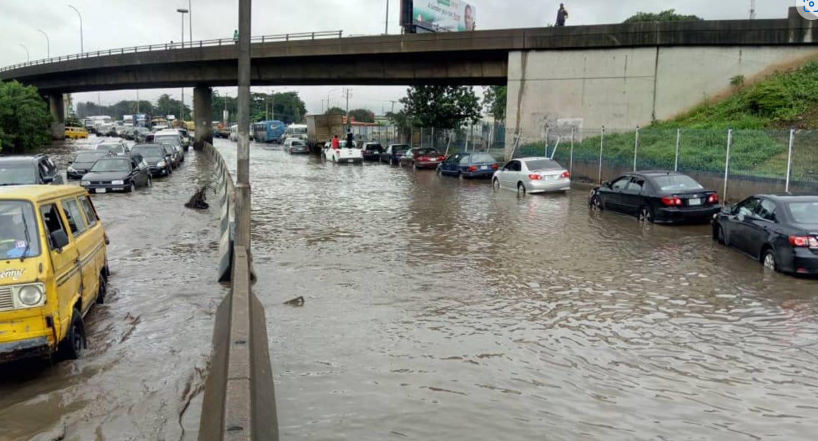
If the water ahead is moving, or you cannot see the road underneath it, the answer is no — do not drive in. Turn around, wait, or take another route. Everything else in this guide follows from that one rule: heavy rain does not just make a road slippery, it hides the road, and the cost of guessing wrong is usually an engine, a gearbox or a whole vehicle. Here are rainy season driving tips you can use today, from a short check before you leave your location or the car stops in water.
ATTENTION (Problem In Disguise)
- Standing water hides potholes, open drains, kerbs and debris — what looks shallow may not be.
- Moving water is more dangerous than depth alone; it can push or float a car and take away grip.
- Another vehicle getting through tells you almost nothing about yours,weight and vehicle height differ.
- If the engine stalls in water, do not restart it. That is an expensive mistake.
- Worn tyres, tired wipers and unlit headlights are commonly checked, relatively inexpensive items, and faults with them are easy to overlook.
- Anything involving brakes, steering, airbags, suspension under load, fuel, CNG or LPG systems, high-voltage hybrid or electric parts, or work under a raised car belongs to a qualified mechanic.
Why Flood Water Fools Careful Drivers?
From the driver's seat, a flooded stretch looks like one flat sheet of brown water. Underneath it there may be a deep pothole, a missing drain cover, a collapsed drainage or a kerb you will hit at an angle.
Flow matters as much as depth. Water crossing the road pushes against the side of the car; the force grows quickly, and a vehicle can lose grip and be moved sideways even where the water does not look deep. Do not drive across a flooded bridge, culvert or dip where you cannot see the edge of the carriageway.
A big SUV or a 4x4 is not a free pass,it sits higher, which may help in some situations, but its air intake is still at a fixed height, its weight does not stop it floating, and four driven wheels do not help when the tyres are not touching the road at all. Judge each crossing for the car you are actually in.
Rainy Season Driving Tips: the checks worth doing this week
Most rainy-season trouble is decided before the first drop falls. Work through this list once, whenever the car has sat unused for some time.
- Tyres: check tread and pressure when the tyres are cold, including the spare. Look for the wear indicators moulded into the grooves, plus cracking or bulging sidewalls. Tread exists to move water out from under the tyre; worn tread does that badly.
- Wipers: front and rear. Streaking, juddering or unwiped bands mean replacement. Heat and sun age blades even when they are barely used, so a blade that was fine last year may be finished now.
- Lights: both headlight beams, rear lights, brake lights, indicators, reverse lights and fog lamps if fitted. Ask someone to stand behind the car while you test the brake lights.
- Screen and demister: confirm the air-conditioning and the demister both work. Directing cold, dry air at the glass clears fog far faster than wiping with a cloth.
- Drainage: clear leaves and grit from the channels around the bonnet and doors, and from any sunroof drains, so water does not pool and find its way inside.
- Brakes, steering and suspension: if anything pulls, vibrates, feels vague or makes new noises, have a qualified mechanic look at it before the rains get heavy.
- Recovery plan: save a towing or recovery contact in your phone now, and know what your insurance says about water damage, rather than reading the policy at the roadside.
At The Water's Front: how to decide
- Stop before the water, not in it. Switch on your hazard lights if you are holding up traffic.
- Look for the edges of the road, kerbs, drain covers and any marker posts that show where the surface should be.
- Decide whether the water is still or moving,moving water across the road is a no.
- Ask whether you can actually see the bottom,if you cannot see the surface underneath, do not drive in.
- Think about what is under there: is this a known pothole stretch, a low point, a place where covers go missing?
- If there is any doubt at all, turn around or wait. Waiting costs fuel and time; a hydrolocked engine costs far more.
Observe If The water Is Genuinely Shallow And Stagnant
Sometimes you know the road, the water is not moving and the surface is visible. Even then, cross one vehicle at a time and keep a steady, slow pace. Choose a gear that keeps the engine from labouring or stalling and helps you maintain steady momentum; in some cars a lower gear may be better for this, depending on the vehicle and the crossing. Do not change gear mid-crossing if you can avoid it, and do not stop in the middle. Racing to "make it through" throws a bow wave that can push water higher onto your own car and towards the intake. Do not tail the vehicle in front closely — their wave, their spray and their sudden stop can trap you. Do not slip the clutch or hold high revs to force the car through; if that is the technique you need, the crossing is not safe, so do not enter.
If The Car Starts To Aquaplane (when your vehicle turns to a water plane lol)
Aquaplaning is a film of water sitting between tyre and road, so the tyre is no longer touching the surface. The steering goes light and unresponsive, the car drifts,the engine may rise as the driven wheels spin. Ease off the accelerator smoothly, hold the wheel firmly and keep it pointing where you want to go. Do not stamp on the brake and do not make sudden steering corrections. Grip usually returns as speed drops; only then brake gently.
Precaution If The Engine Stalls In Water
Do not turn the key again. Restarting can pull water deeper into an engine that has already swallowed some and turn a recoverable situation into internal damage. Water drawn into the engine can cause hydraulic lock, often called a hydrolocked engine: because water does not compress the way air and fuel vapour do, it can stop the engine and cause internal damage. Switch off, get out safely and never wade into moving water to inspect the car,then arrange to have the vehicle pushed, winched or towed clear by someone equipped for it. Have a qualified mechanic check the engine, intake, fluids and electrics before anyone tries to start it again.
Wet Brakes After Crossing
Brakes grip poorly immediately after water. Once you are on clear, safe road, apply them gently a few times at low speed to help dry them and check that the car pulls up straight. If they still feel weak, spongy or uneven, stop driving and get them checked by a qualified mechanic.
what You See and How Other Sees You
Switch your headlights on in rain, even in daylight. This is about other drivers seeing you in a wing mirror through spray and grey light, not only about your own view. Demist the whole screen before driving on a small clear patch is how kerbs and pedestrians get hit. And leave a much bigger gap than in dry weather: wet roads lengthen braking distances and standing water worn tyres while a loaded boot lengthen them further. Buses, lorries and tricycles throw spray that can blind you for a second or two, so hang back rather than sit in it.
Things To Do When Water Penetrate Inside You Car
If water entered the cabin, remove loose mats and air the car,understand that water sits under the carpet and inside sound deadening where it will not dry by itself. Trapped moisture corrodes wiring and connectors quietly for months. If water reached the engine bay, the electrics or the brakes,book the car into a proper workshop — for anything involving brakes, steering, airbags, suspension under load, fuel, CNG or LPG systems, or high-voltage hybrid and electric parts, a qualified mechanic is the only safe option.
This matters for buyers too. A Nigerian-used or imported car may have a history nobody advertises: a damp, musty smell, silt in the spare-wheel well, fogging inside the lamps, or corroded bolts where everything else looks clean. Before money changes hands, book a pre-purchase inspection with a qualified mechanic, run a VIN check (where Dealcentral.ng got you cover) to see what history information the service can provide.Confirm its current coverage and any fee before relying on it and read our buyer protection guide so you know your options if the car turns out not to be what was described.
Frequently asked questions
Is it true that a 4x4 or SUV can go through any flooded road?
No,A higher body and four driven wheels can help traction under power on some wet surfaces, but four-wheel drive does not improve braking or steering grip, does not change how much tyre touches the road, and does not raise the air intake very far or stop water from floating a vehicle. Moving water can sweep a heavy vehicle sideways, so judge every crossing on its own.
My car stalled in water and started again after a few tries. Is it fine now?
Not necessarily. Water can sit in the intake, the air filter, the electrics or the footwells without obvious symptoms, and damage can appear days later. Have a qualified mechanic check the engine, fluids and electrics before you treat the car as normal.
Does my insurance cover flood damage?
It depends entirely on your policy and how the damage happened,many comprehensive policies treat water damage differently from mechanical wear. Read your own document or ask your insurer or broker directly before you need to claim,do not rely on what someone told you at a bus stop (Na Gist oo).
How can I tell if a used car has been through flood water?
Look for a damp or musty smell, silt or grit under the mats and in the spare-wheel well, fogging inside the lights, and corroded bolts or wiring connectors that should be clean. A proper inspection by a qualified mechanic and any available history information can be more useful than a five-minute look.
Should I drop my tyre pressure for wet roads?
No. Lower pressure does not help you grip better in rain and can make the car feel vague and wear the tyres faster. Keep the pressures the manufacturer recommends, check them when the tyres are cold, and make sure the tread is healthy.
This guide is general information from the DealCentral Editorial Team, prepared with the help of AI tools and checked against our editorial and safety rules. It is not professional, legal or financial advice. Prices, fees and rules change: confirm current requirements with the relevant official body.
0 Comments
Post Comment